
Growing your business can often feel like navigating without a clear set of directions. You know that ambition alone is not enough, but turning bold ideas into steady progress presents daily challenges. Without a structured approach, it’s easy to lose sight of what actually helps your company move forward.
This list shares practical methods for setting the right priorities and making smart decisions across every area of your business. Each step is built on proven strategies that bring clarity, unlock new opportunities, and help you tackle obstacles with confidence. Get ready to discover the actionable insights that can systematically turn your goals into real, measurable achievements.
Table of Contents
- 1. Define Clear Business Objectives And Goals
- 2. Assess Market Opportunities And Target Customers
- 3. Strengthen Sales Strategies And Processes
- 4. Optimise Team Roles And Communication
- 5. Control Costs And Improve Profit Margins
- 6. Implement Performance Tracking And Kpis
- 7. Plan For Sustainable Growth And Scalability
Quick Summary
| Takeaway | Explanation |
|---|---|
| 1. Establish Clear Business Objectives | Define specific, measurable goals that align with your business’s mission to guide decision-making effectively. |
| 2. Conduct Thorough Market Assessments | Use market intelligence to identify opportunities and segment customers based on behavioural insights for better targeting. |
| 3. Enhance Sales Strategies with Technology | Integrate innovative tools and data-driven techniques to streamline sales processes and foster meaningful customer relationships. |
| 4. Optimise Team Communication Practices | Implement clear role definitions and regular feedback mechanisms to foster collaboration and improve overall team performance. |
| 5. Implement Performance Tracking Systems | Develop KPIs that align with strategic goals to transform data into actionable insights and guide organisational growth. |
1. Define Clear Business Objectives and Goals
Successful businesses do not drift aimlessly; they navigate with strategic precision. Establishing clear business objectives and goals is the foundational compass that guides every significant decision and action within your enterprise.
Defining business objectives transforms vague aspirations into concrete, measurable targets. These objectives are not just wishful thinking but carefully crafted roadmaps that translate your overarching mission into actionable strategies. Business growth objectives provide the structural framework that enables systematic progress and continuous improvement.
Key components of effective business objectives include:
- Specificity: Precise, unambiguous targets
- Measurability: Quantifiable outcomes
- Time-bound parameters: Clear deadlines
- Alignment with overall business vision
- Realistic yet challenging expectations
Your business objectives are the strategic blueprint that transforms entrepreneurial dreams into tangible achievements.
When developing objectives, consider multiple dimensions of business performance:
- Financial targets (revenue, profitability)
- Market positioning (market share, customer acquisition)
- Operational efficiency
- Team development and skill enhancement
- Innovation and product development
Consistent tracking and periodic review of these objectives allow for adaptive strategy refinement. This approach ensures your business remains responsive to changing market conditions while maintaining a clear, focused trajectory.
Pro Tip: Create a visual dashboard that tracks your key objectives, allowing real-time monitoring of progress and immediate identification of areas requiring strategic intervention.
2. Assess Market Opportunities and Target Customers
Understanding your market is not just about selling products; it is about strategically positioning your business where genuine opportunities exist. Market intelligence transforms guesswork into precision strategy.
Businesses must dive deep into market research and competitive analysis to uncover hidden potential and understand customer dynamics. Market segmentation allows you to dissect your potential customer base into actionable groups.
Key market assessment strategies include:
- Demographic analysis
- Geographic market mapping
- Behavioural pattern identification
- Economic trend evaluation
- Competitive landscape scanning
Successful businesses do not chase customers; they attract them through intelligent, data-driven market understanding.
Comprehensive market assessment involves multiple critical dimensions:
- Quantifying market size and growth potential
- Identifying unmet customer needs
- Evaluating pricing strategies
- Understanding competitive positioning
- Recognising emerging market trends
Effective customer targeting requires moving beyond generic demographics to understanding deeper psychological and behavioural characteristics. Precision targeting means knowing not just who your customers are but what motivates their purchasing decisions.
Pro Tip: Create customer personas that go beyond basic demographics by integrating psychological insights, allowing you to craft more resonant marketing strategies and product development approaches.
3. Strengthen Sales Strategies and Processes
Sales strategies are the lifeblood of business growth. Effective sales processes transform potential opportunities into consistent revenue streams that propel your organisation forward.
Modern businesses must adapt to evolving market dynamics by improving sales and marketing productivity through innovative approaches and technological integration. Strategic sales development requires a multifaceted approach that combines human expertise with cutting-edge tools.
Key elements of robust sales strategies include:
- Systematic lead generation
- Personalised customer engagement
- Data-driven performance tracking
- Continuous sales team training
- Technology-enabled sales processes
Exceptional sales strategies are not about pushing products but about creating meaningful customer connections.
Comprehensive sales strategy enhancement involves:
- Analysing current sales performance metrics
- Identifying performance gaps
- Implementing targeted training programmes
- Adopting advanced sales technologies
- Creating repeatable sales methodologies
Technological integration plays a crucial role in modern sales approaches. Artificial intelligence enables more sophisticated customer interaction models by providing predictive insights and personalisation capabilities.
Pro Tip: Develop a sales performance dashboard that tracks key metrics in real-time, allowing immediate insights and rapid strategy adjustments.
4. Optimise Team Roles and Communication
Effective team communication is the cornerstone of organisational success. Your team’s ability to collaborate seamlessly can transform good businesses into exceptional enterprises.
Digital communication technologies have revolutionised workplace interactions, enabling unprecedented levels of coordination and flexibility. Strategic communication infrastructure allows teams to transcend traditional workplace boundaries.
Key elements of optimised team communication include:
- Crystal-clear role definitions
- Regular transparent feedback mechanisms
- Technology-enabled collaboration platforms
- Inclusive communication practices
- Performance alignment strategies
Exceptional teams are built on trust mutual understanding and shared objectives.
Implementing effective team communication requires:
- Establishing precise role responsibilities
- Creating open communication channels
- Developing regular performance review processes
- Investing in communication training
- Utilising collaborative digital tools
Modern organisations recognise that team dynamics are not static but continuously evolving ecosystems requiring deliberate nurturing and strategic intervention.
Pro Tip: Implement a monthly team communication audit where each member anonymously provides feedback on team interaction quality and identifies potential improvement areas.
5. Control Costs and Improve Profit Margins
Profitable businesses understand that cost management is a strategic art form rather than a mere accounting exercise. Financial discipline transforms survival into sustainable growth.
Business leaders can optimise profit margins through strategic cost management that goes beyond simplistic budget slashing. The goal is creating a lean operational model that preserves organisational capacity and innovation potential.
Key cost control strategies include:
- Implementing activity-based costing
- Leveraging data analytics
- Automating repetitive processes
- Negotiating smarter supplier contracts
- Continuously reviewing operational expenses
Smart cost management is an investment in future business resilience.
Effective cost control requires:
- Conducting comprehensive financial audits
- Identifying non-essential expenditures
- Streamlining operational processes
- Investing in efficiency-enhancing technologies
- Developing a culture of financial accountability
Modern businesses recognise that cost reduction is not about cutting but strategically reallocating resources to drive growth and innovation.
Pro Tip: Create a quarterly expense review system where every department must justify its spending and propose efficiency improvements, turning cost management into a collaborative organisational initiative.
6. Implement Performance Tracking and KPIs
Measuring business performance isn’t about collecting data. It is about transforming numbers into strategic insights that drive meaningful organisational growth. Performance tracking provides the navigational compass for your business journey.
Companies can develop meaningful performance measurement systems that translate complex operational dynamics into clear strategic directions. Modern organisations need KPIs that reflect nuanced business realities beyond simplistic numerical targets.
Key elements of effective performance tracking include:
- Selecting meaningful and measurable indicators
- Aligning KPIs with strategic objectives
- Establishing realistic benchmarks
- Creating transparent reporting mechanisms
- Implementing regular performance reviews
Performance tracking transforms data into organisational intelligence.
Comprehensive KPI implementation involves:
- Identifying core business objectives
- Defining specific measurable metrics
- Establishing baseline performance levels
- Creating automated tracking systems
- Developing actionable feedback loops
Successful businesses understand that KPIs are living frameworks that require continuous refinement and contextual interpretation.
Pro Tip: Design your KPI dashboard to highlight exceptions and trends rather than overwhelming with raw data, enabling quick strategic decision-making.
7. Plan for Sustainable Growth and Scalability
Sustainable growth is not about rapid expansion but strategic evolution. Business scalability demands a sophisticated blueprint that anticipates future challenges and opportunities.
Entrepreneurs can develop adaptive scalability strategies that transform potential limitations into strategic advantages. Modern businesses require flexible frameworks that support consistent yet controlled organisational development.
Key scalability considerations include:
- Infrastructure adaptability
- Technology integration
- Talent development
- Market responsiveness
- Financial resilience
Sustainable growth is about building capacity before complexity overwhelms your systems.
Comprehensive scalability planning involves:
- Mapping current operational capabilities
- Identifying potential growth bottlenecks
- Creating flexible organisational structures
- Developing scalable technological platforms
- Building robust financial reserves
Strategic foresight transforms scalability from a theoretical concept into a practical business methodology.
Pro Tip: Create an annual strategic review process that systematically evaluates your business’s scalability readiness, allowing proactive adjustments before growth challenges emerge.
Below is a comprehensive table summarising the strategies and key takeaways discussed throughout the article, which highlights essential aspects of holistic business success.
| Key Concept | Key Components | Key Takeaways |
|---|---|---|
| Define Clear Business Objectives and Goals | Specificity, measurability, alignment, realistic targets. | Transform aspirations into actionable targets for structured progress. |
| Assess Market Opportunities and Target Customers | Market research, segmentation, competitive analysis. | Enable targeted strategies and meet customer demands effectively. |
| Strengthen Sales Strategies and Processes | Lead generation, customer engagement, automation. | Enhance revenue growth and customer satisfaction through efficiency and strategy. |
| Optimise Team Roles and Communication | Role clarity, transparent feedback, collaborative tools. | Promote teamwork and effective organisational communication. |
| Control Costs and Improve Profit Margins | Cost audits, automation, efficiency-focused culture. | Achieve sustainable financial growth via cost management. |
| Implement Performance Tracking and KPIs | Meaningful metrics, automated tracking, feedback mechanisms. | Use data to make informed strategic decisions and enhance outcomes. |
| Plan for Sustainable Growth and Scalability | Flexible structures, scalable infrastructure, foresight. | Prepare for adaptive expansion and long-term viability. |
Take Your Business Development to the Next Level with Expert Coaching
If you find yourself overwhelmed by implementing the 7 critical steps for an effective business development checklist such as setting clear objectives, fine-tuning sales strategies, or optimizing team communication it may be time to get the right guidance tailored to your unique challenges. Whether it is managing cost controls or planning sustainable growth the goal is to transform complex strategic concepts into clear actionable steps that lead to measurable business growth and freedom.
At Summit SCALE you can access professional coaching focused on these exact pain points. Our approach empowers business owners through personalised coaching sessions that turn your business aspirations into structured plans and growth milestones. Learn how to strengthen your sales processes improve your team’s efficiency and master financial discipline with insights from our Business Planning Archives – Summit Scale and Business Systems Archives – Summit Scale.
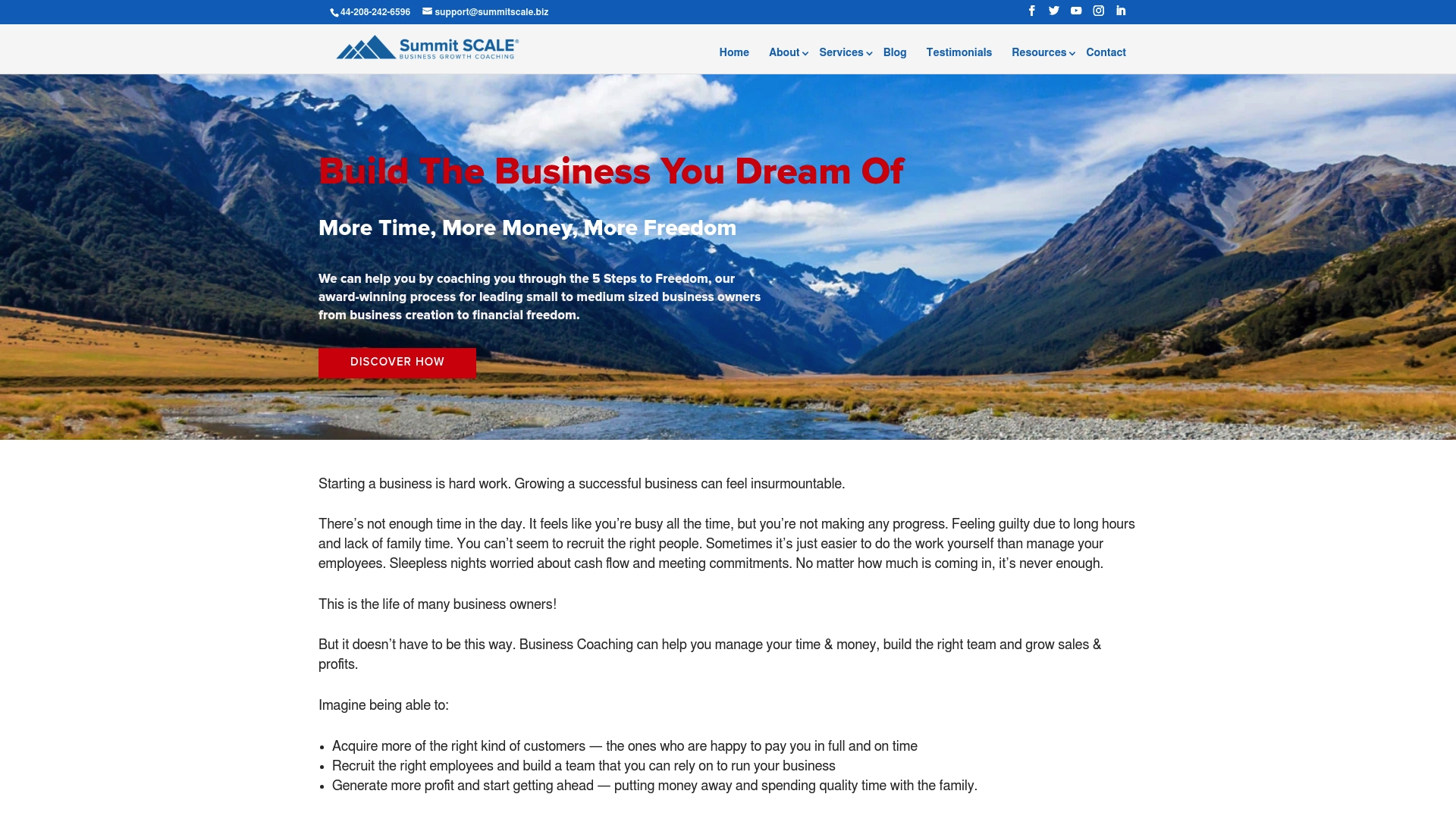
Ready to move beyond theory to real results and regain control of your business growth journey Visit Summit SCALE today and schedule a free 15-minute assessment call. Discover how tailored coaching can create more time money and freedom for you while scaling your business effectively.
Frequently Asked Questions
What are the first steps in creating an effective business development checklist?
To start developing an effective business development checklist, clearly define your business objectives and goals. Take the time to create specific, measurable targets that align with your overall vision, ensuring that they guide your subsequent actions.
How can I assess market opportunities effectively?
To assess market opportunities, conduct thorough market research and competitive analysis. Use strategies like demographic analysis and behavioural pattern identification to pinpoint customer needs and potential growth areas.
What should I include in my sales strategy improvement plan?
Your sales strategy improvement plan should encompass systematic lead generation, personalised customer engagement, and continuous sales team training. Focus on establishing measurable performance metrics to track progress over time.
How can I optimise team roles to enhance communication?
To optimise team roles and communication, clearly define individual responsibilities and create open communication channels. Regularly review performance and encourage transparent feedback to foster collaboration among team members.
What are effective methods for controlling costs?
Effective cost control involves conducting comprehensive financial audits and identifying non-essential expenditures. Implement strategies like automating repetitive processes to streamline operations and improve profit margins.
How do I set up performance tracking and KPIs for my business?
To set up performance tracking and KPIs, start by identifying your core business objectives and defining specific measurable metrics. Establish a transparent reporting mechanism and conduct regular performance reviews to ensure continuous improvement.
Recommended
- Business Development Explained: Driving Growth and Freedom
- 7 Business Development Best Practices for Growth
- Step by Step Business Growth: Achieve Profitable Scaling
- 5 Steps to Develop an Inspired Annual Plan – Summit Scale
- 7-Step Digital Marketing Checklist for Enterprise Teams – 40Q
- Top 8 Unique Business Card Solutions for 2026 – BcardsCreation

